
Prepare a Stable Foundation Site Before Construction Begins
House pad installation and site preparation in Salem, Alabama and neighboring Alabama and Georgia communities for new residential construction
When you are preparing to build a home in Salem, Opelika, Smiths Station or a surrounding area, the site needs to be cleared, leveled, and compacted so the foundation sits on stable ground that will not shift or settle after construction is complete. A poorly prepared house pad leads to uneven floors, cracked slabs, and drainage problems that affect the structure and cost more to fix later. Getting the pad right from the start means your builder can move forward without delays, and your home will sit on ground that supports the weight and resists movement over time.
DT Dirtworks LLC provides house pad installation across Salem and surrounding areas, focusing on proper depth, slope, and compaction that meet the requirements for residential construction. The work involves clearing vegetation, removing unsuitable soil, and building up the pad with material that compacts well and drains correctly. You end up with a level, stable site that is ready for foundation work and meets the grade needed to keep water away from the structure.
If you are planning new construction in Salem or a neighboring community and need the site prepared for a foundation, contact DT Dirtworks LLC to discuss pad size, elevation, and timing.
Site Work That Matches Foundation Requirements and Soil Conditions
House pad installation begins with clearing trees, brush, and topsoil, then excavating to reach stable subsoil or removing unsuitable material that would not support the weight of a structure. In Salem, the work often involves managing clay soils that require careful compaction and moisture control to prevent settling or cracking after the foundation is poured. You will see a pad that is level, properly elevated, and shaped with enough slope to direct water away from the foundation without creating drainage problems elsewhere on the site.
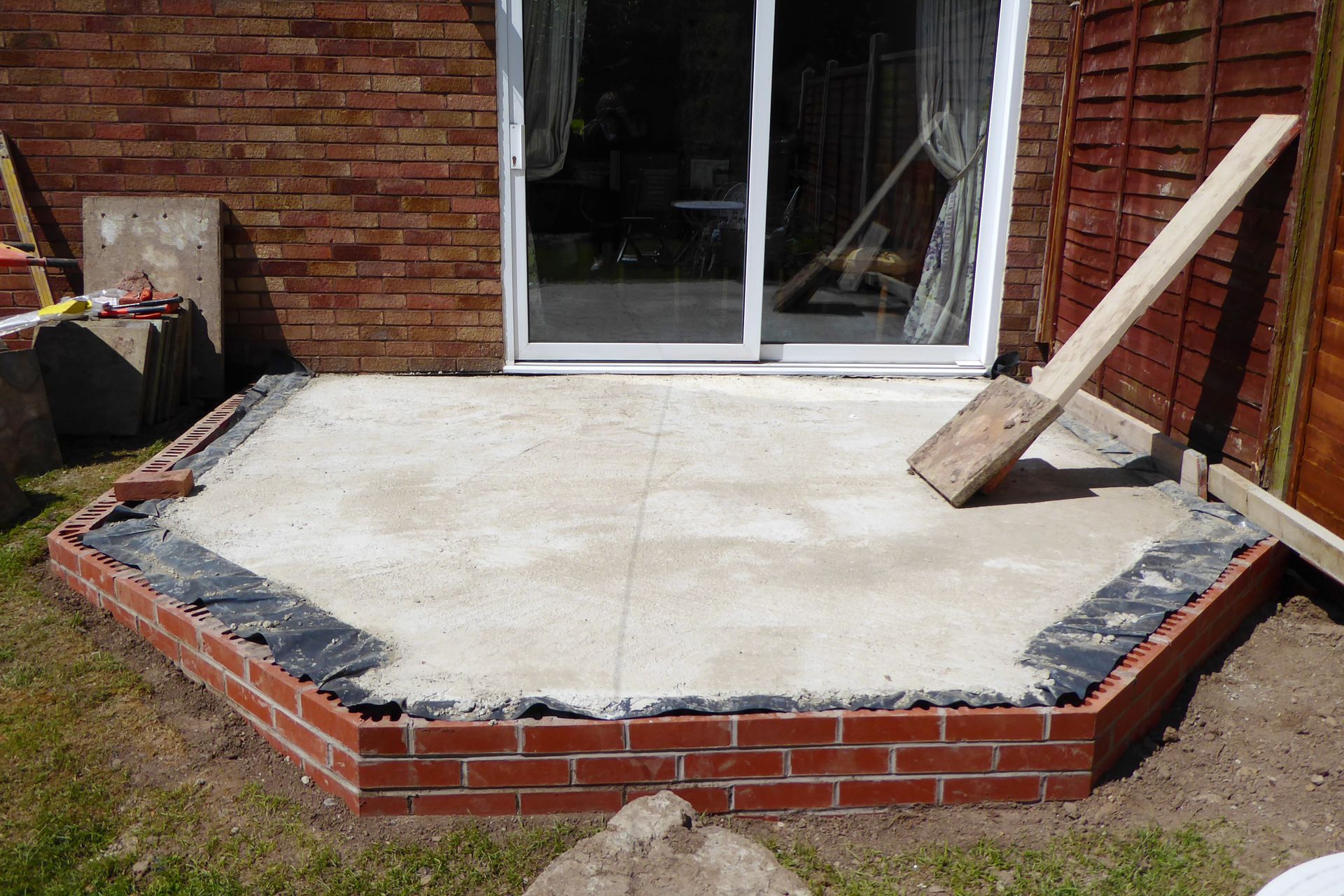
After the pad is built and compacted, you will notice that the surface is firm, level, and ready for foundation forms or slab work without additional grading or preparation. The pad is built to the elevation and dimensions provided by your builder or engineer, so the finished floor height matches the site plan and drainage flows correctly. Proper compaction prevents the ground from settling unevenly, which protects the foundation from cracks, shifting, or movement that affects doors, windows, and structural integrity.
The installation also includes planning for access, so equipment can reach the pad during foundation and framing work without damaging surrounding areas. You can coordinate house pad installation with clearing, driveway grading, and utility trenching to complete site preparation in a logical sequence that avoids rework or delays. The goal is to deliver a stable, well-drained pad that allows your builder to start construction on schedule and complete the project without site-related problems.
Homeowners and builders preparing for new construction want to know how the pad is built, what happens to unsuitable soil, and how elevation affects drainage, so this section covers the practical details that help you plan and coordinate site work.
Site preparation questions often come up early in planning
If you are preparing to build in Salem and need a house pad installed with attention to elevation, compaction, and drainage, reach out to DT Dirtworks LLC to review your site plan and coordinate the work with your construction timeline.