
Build a Pond That Holds Water and Lasts
Excavation and shaping of ponds for residential and agricultural use in Salem, Alabama and neighboring communities
When you need a pond for livestock, recreation, or property use in Salem, Smiths Station, Beauregard or a neighboring community, the excavation has to account for soil type, drainage patterns, and depth that supports water retention without constant refilling. A poorly shaped pond loses water through seepage, develops uneven banks that erode, or fills with sediment because runoff was not controlled during construction. Getting the site right from the start means your pond will hold water, support the uses you have in mind, and require less maintenance over the years.
DT Dirtworks LLC installs ponds across Salem and surrounding areas, focusing on proper depth, slope, and site evaluation based on soil and drainage conditions. The work is suitable for residential properties, farms, and rural land where livestock access, recreation, or water storage is needed. You end up with a pond built for stability and long-term performance, shaped to hold water without excessive loss or erosion that changes the banks or bottom over time.
If you are planning a pond installation in Salem or a surrounding area, contact DT Dirtworks LLC to evaluate your site and discuss depth, size, and placement.
Excavation Shaped Around Soil and Water Flow
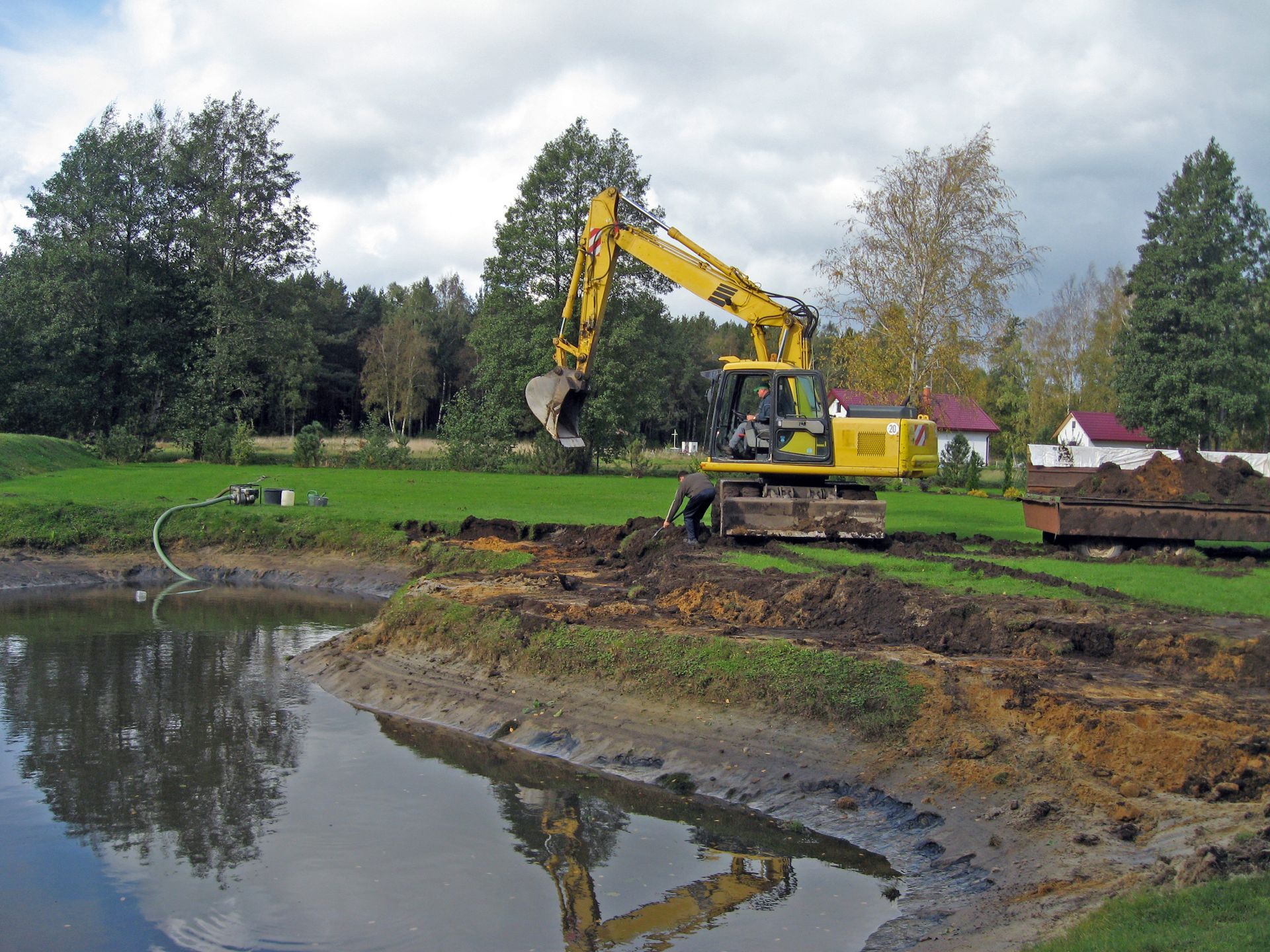
Pond installation begins with evaluating soil composition, identifying where water will come from, and determining the best location to minimize seepage and maximize retention. In Salem, the work involves digging to a depth that supports year-round water levels, shaping banks with slopes that resist erosion, and managing runoff so sediment does not fill the pond after heavy rain. You will see a basin with consistent depth and banks that hold their shape without requiring frequent rework or reinforcement.
After excavation is complete, you will notice that the pond fills naturally from rainfall or runoff and maintains water levels without excessive loss. The banks are graded to allow safe livestock access or recreational use, and the bottom is compacted to reduce seepage in areas where soil drainage might otherwise prevent water retention. The pond is shaped to avoid low spots that trap debris or create stagnant areas that affect water quality or usability.
The installation also includes planning for future maintenance, so you can access the pond for cleaning, bank repair, or vegetation control without needing heavy equipment each time. The work can be paired with grading or drainage projects to manage runoff and protect the pond from erosion or sediment buildup. You end up with a functional water feature that supports your property goals and holds up under seasonal changes and regular use.
Property owners considering a pond want to know how deep it needs to be, how it will hold water, and what happens after the excavation is finished, so this section covers the practical details that help you plan and maintain your pond.
Pond questions often focus on water and long-term stability
If you need a pond installed in Salem with attention to depth, water retention, and long-term stability, reach out to DT Dirtworks LLC to schedule a site evaluation and discuss size, placement, and soil conditions.